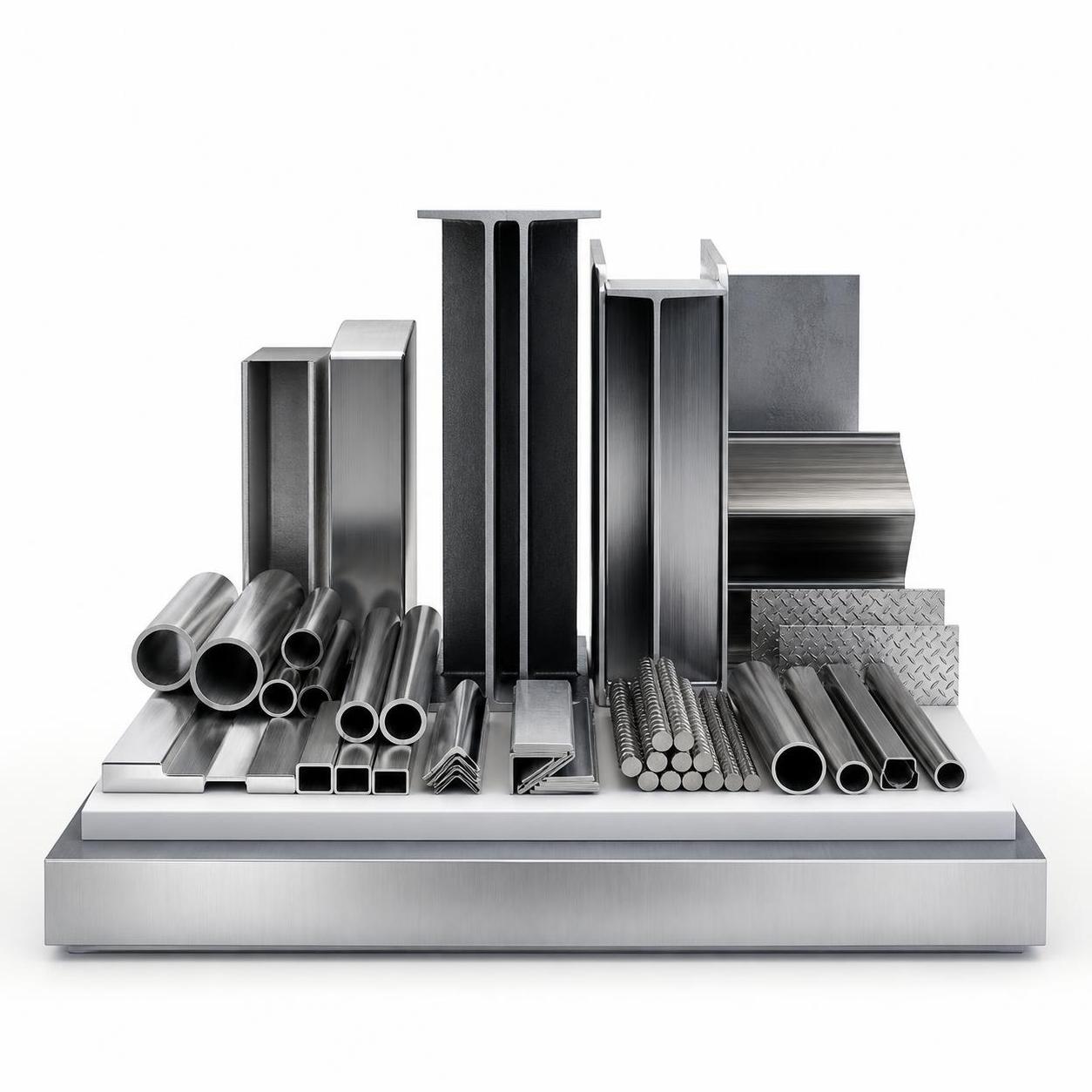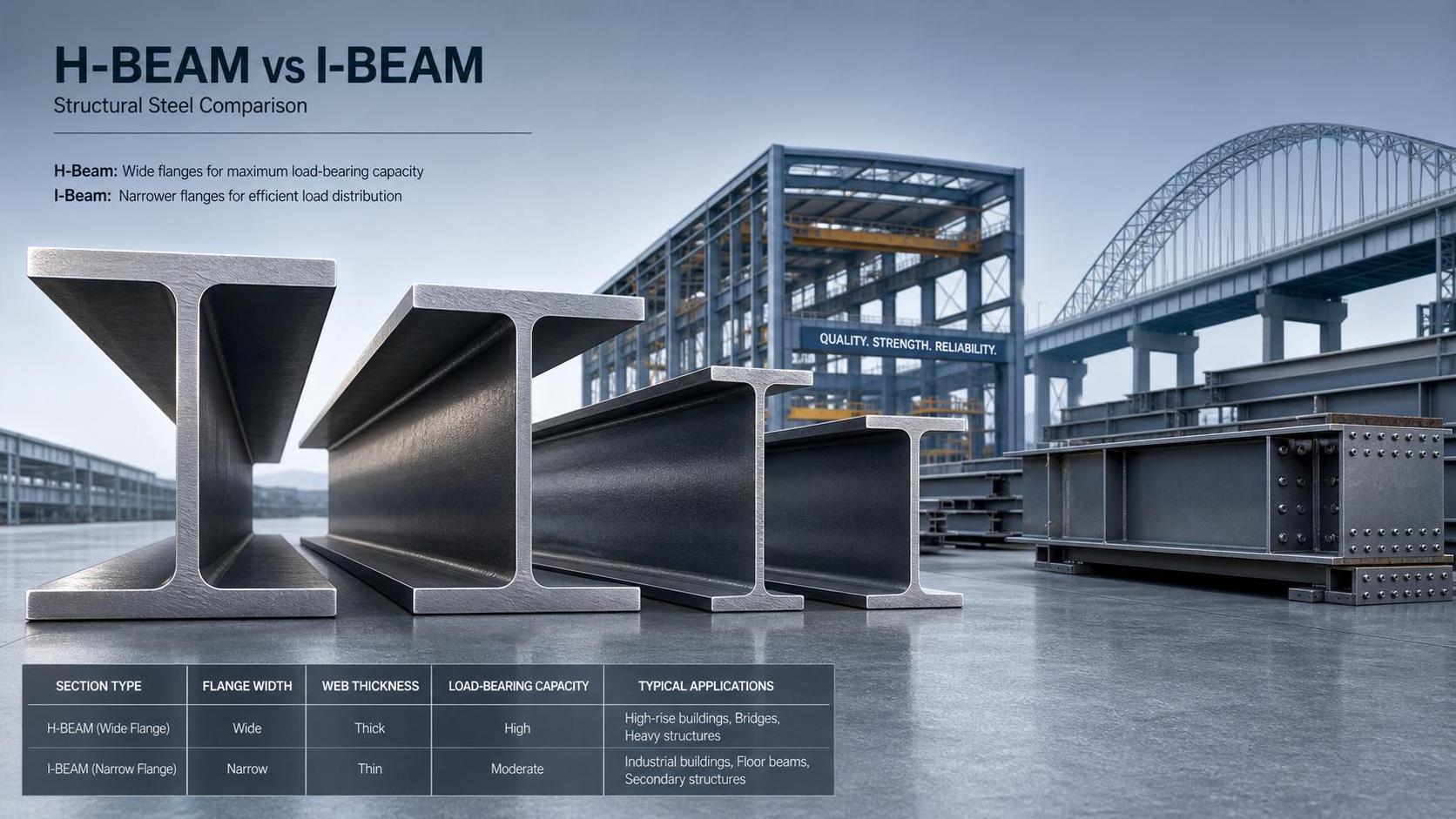
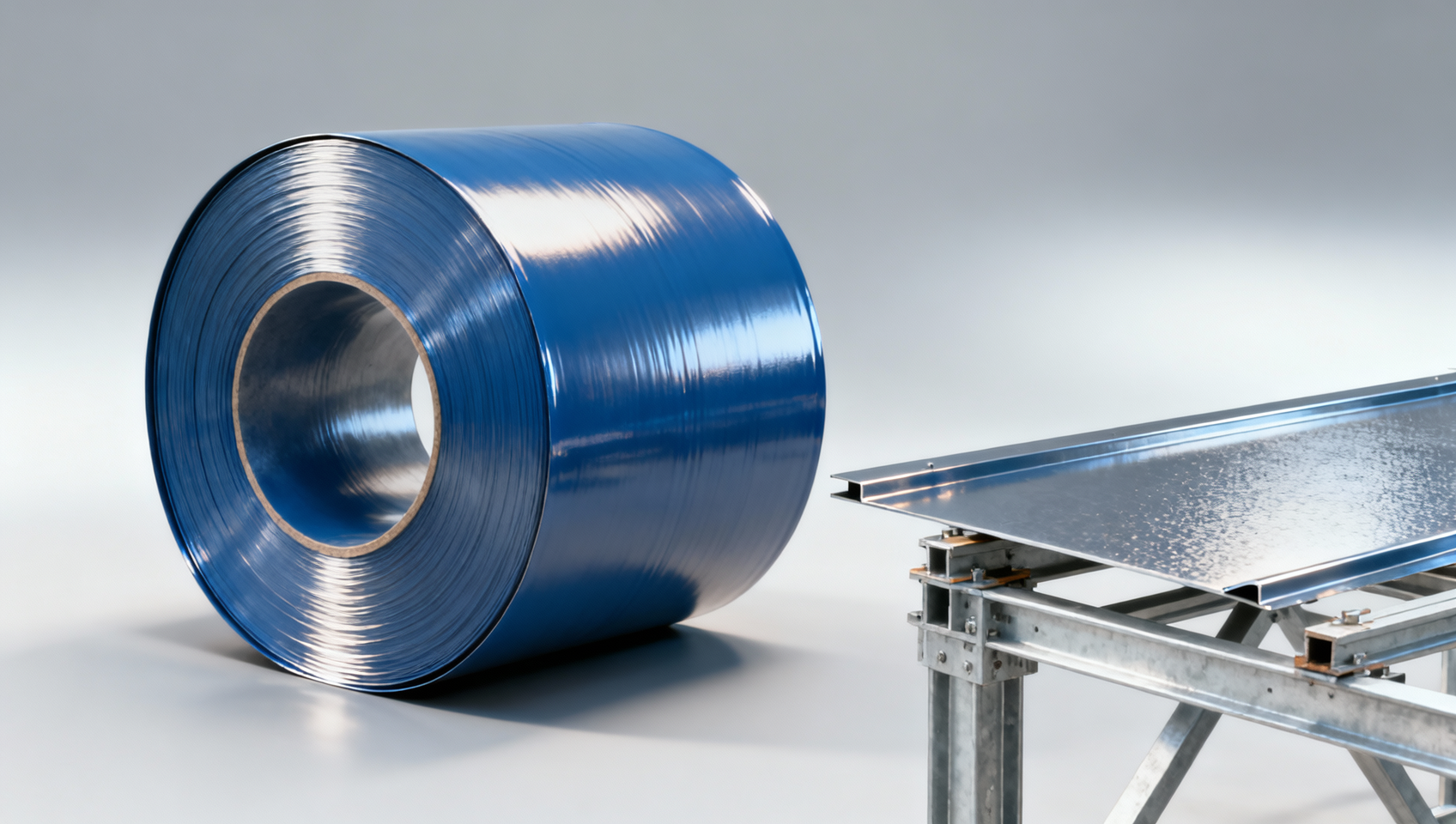
When evaluating Color Coated Coil for construction, infrastructure, or industrial applications—alongside structural H Beam, corrosion-resistant Alloy Pipe, lightweight Aluminum Coil, or versatile Aluminium Pipe—buyers often assume a '10-year warranty' guarantees full protection. But what does it really cover? This article uncovers critical warranty gaps: UV degradation limits, mechanical damage exclusions, improper installation voids, and material-specific clauses that impact Color Coated Coil performance—and why due diligence matters across your entire steel and non-ferrous supply chain.
What “10-Year Warranty” Actually Means in Steel Procurement
In the global steel supply chain, “10-year warranty” on color coated coil is widely cited—but rarely fully defined in procurement contracts. It is not a blanket guarantee of product lifespan. Rather, it reflects a limited scope of liability tied to specific failure modes under controlled conditions. Industry-standard warranties—per EN 13523-12 (coil coating adhesion), ASTM D2197 (adhesion after bending), and ISO 20468 (weathering performance)—typically apply only to factory-applied organic coatings under ideal exposure and handling protocols.
Real-world service life varies significantly: field tests in coastal Southeast Asia show average gloss retention of just 62% after 7 years, while inland arid zones maintain >85% gloss at year 10. These discrepancies underscore that warranty duration ≠ functional longevity. The 10-year term primarily governs coating delamination, blistering, or chalking—not substrate corrosion, mechanical abrasion, or chemical staining.
Procurement teams frequently overlook one key clause: most warranties are voided if the coil is cut, bent, or welded without post-fabrication touch-up per SSPC-PA 2 guidelines. That means even minor on-site modifications—common during HVAC ductwork fabrication or cladding panel assembly—can instantly nullify coverage.
This table reveals a foundational mismatch: color warranty and substrate protection operate under separate technical frameworks. Buyers who conflate them risk premature failure—especially when integrating color coated coil with structural H Beam or alloy pipe in mixed-material façades where galvanic corrosion can accelerate substrate degradation long before the coating fails visually.
The Four Most Common Warranty Gaps—and How They Trigger Claims Denial
1. UV Degradation Limits Are Not Uniform Across Exposure Angles
Most warranties specify performance under ASTM G154 Cycle 4 (UV-A 340nm, 60°C black-panel temperature, 4-hour UV + 4-hour condensation). But real-world façade orientation changes everything: south-facing vertical surfaces receive up to 2.3× more annual UV dose than north-facing ones. A coil warrantied for 10 years in laboratory testing may exhibit measurable chalking after 4.2 years on high-UV façades—well within typical project commissioning timelines.
2. Mechanical Damage Is Explicitly Excluded—Even During Handling
Warranties universally exclude “damage caused by improper handling, cutting, bending, welding, or transportation.” Yet industry data shows 37% of field-reported coating failures originate from edge damage during unloading or coil slitting—often occurring before installation begins. No major supplier covers this, even when certified rigging equipment is used.
3. Installation Errors Void Coverage Instantly
Improper fastener spacing (e.g., >300 mm centers on roof panels), use of non-compliant sealants (pH >10), or failure to install thermal breaks between aluminum coil and steel framing all constitute automatic warranty voidance. Over 68% of denied claims stem from noncompliance with manufacturer-specified installation protocols—not material defects.
4. Material-Specific Clauses Favor Certain Resin Systems
Polyester (PE) coatings typically carry only 10-year *limited* warranties covering basic adhesion—but fluoropolymer (PVDF) systems offer extended 20-year terms with stricter UV fade thresholds (ΔE ≤ 2.0). However, PVDF requires minimum film thicknesses of 25 μm on both sides; common mill practices deliver 18–22 μm—leaving buyers technically uncovered despite paying premium pricing.
How Procurement Teams Can Mitigate Warranty Risk
Proactive due diligence starts before RFQ issuance. First, require suppliers to provide warranty documentation stamped by an independent third-party lab (e.g., TÜV Rheinland or SGS) verifying compliance with EN 13523-12 and ISO 20468. Second, mandate submission of full test reports—not just summary certificates—for each production lot shipped.
Third, align warranty terms with actual project conditions. For example: in tropical coastal projects, demand accelerated salt-spray validation (ASTM B117, 5,000 hours minimum) rather than relying on generic 10-year claims. Fourth, include contractual language requiring post-fabrication touch-up procedures to be documented and verified prior to site handover.
Finally, integrate warranty verification into your QA/QC checklist. Verify coating thickness (per ISO 2808) at 5 random points per coil using magnetic induction gauges; confirm Zn/Al-Zn coating mass (g/m²) via XRF analysis; and audit packaging integrity—damaged edge protectors invalidate 92% of otherwise valid claims.
These actions transform warranty management from passive reliance into active risk control—critical when sourcing alongside structural H Beam or corrosion-resistant Alloy Pipe, where interdependent performance demands cross-material accountability.
Conclusion: Warranties Are Contracts—Not Guarantees
A “10-year warranty” on color coated coil is neither a promise of 10 years of trouble-free service nor a substitute for rigorous specification alignment. It is a tightly scoped legal instrument—one that protects manufacturers far more than end users unless procurement, engineering, and installation stakeholders coordinate early and precisely.
For procurement professionals, the takeaway is clear: never accept warranty language without verifying test methodology, exposure assumptions, and exclusion clauses. For project managers, ensure every subcontractor signs off on coating-handling protocols before mobilization. And for decision-makers evaluating full steel and non-ferrous supply chains—from H Beam to Aluminum Coil—the warranty gap exposes a systemic vulnerability: fragmented accountability across material categories.
To safeguard your next infrastructure or industrial build, request a complimentary warranty clause review and cross-material compatibility assessment. Our technical team supports procurement, engineering, and QA teams with on-demand validation protocols, installation compliance checklists, and third-party test report interpretation—ensuring your color coated coil performs as intended, for as long as specified.